

+
+
+
+
+
+
+
+
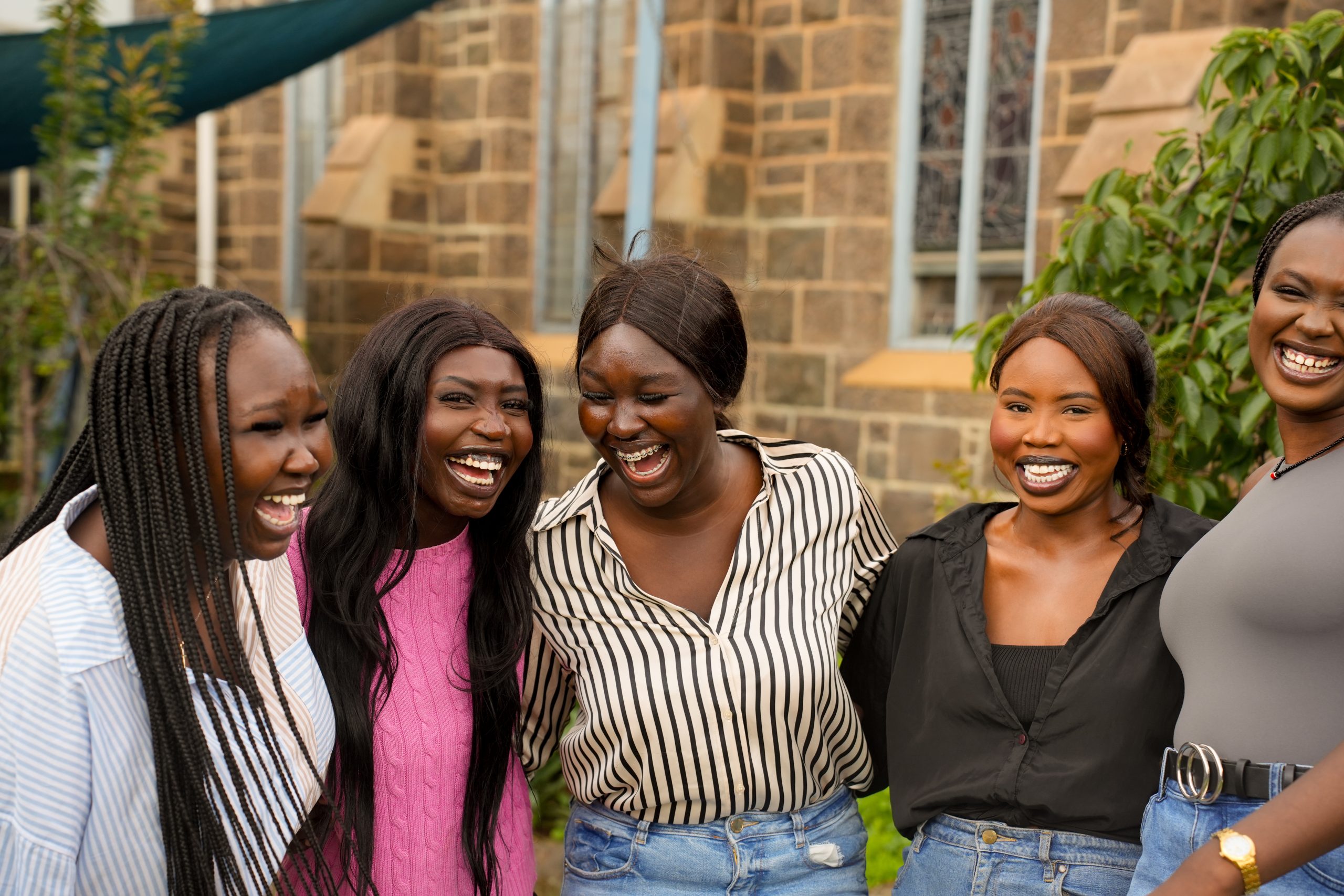
One of ASPYA Foundation's defining strengths is its collaborative model of community leadership. As the organisation grew, it developed an innovative approach that brings together youth-led community groups, including Girl Chat, HomeCourt and Faithful Coalition, under one organisational umbrella.
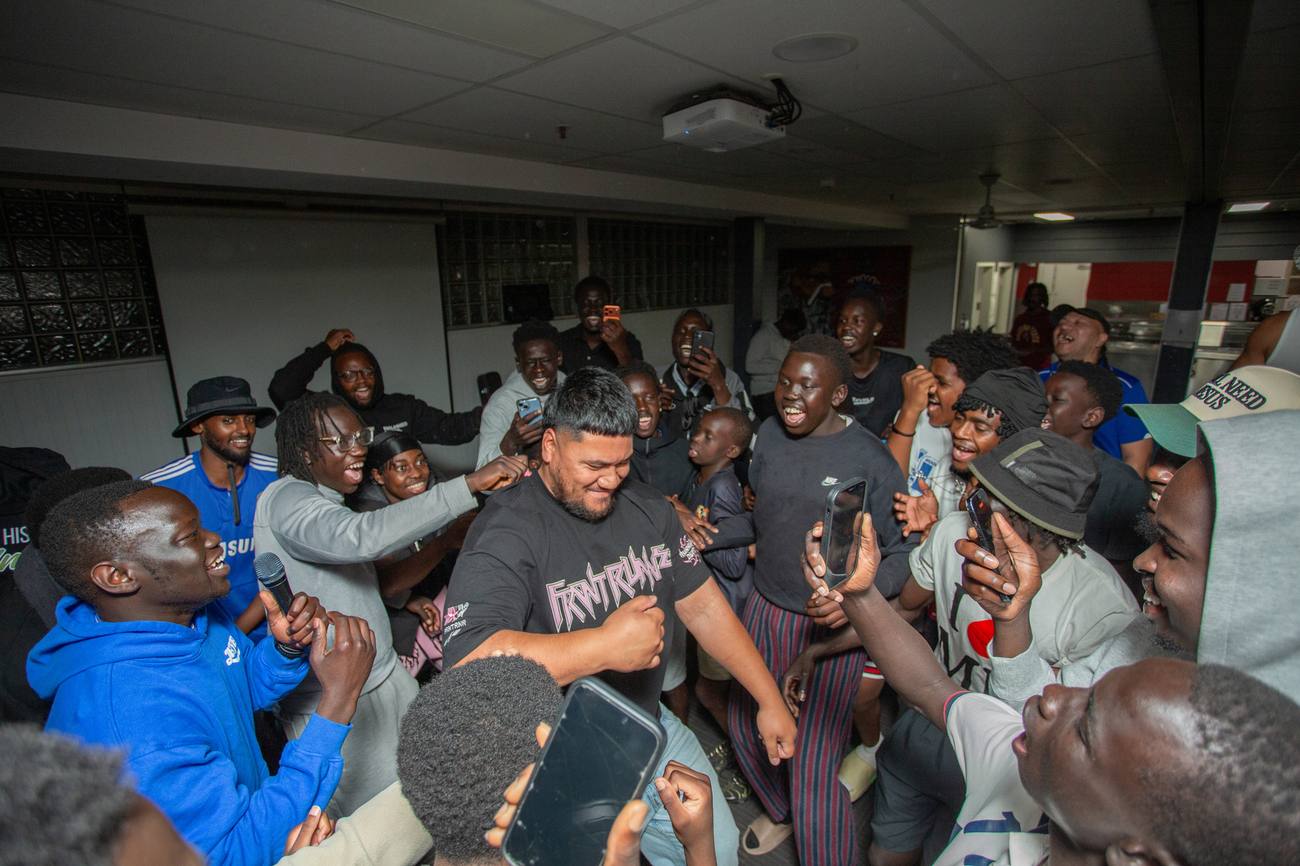
By auspicing these groups and managing governance, administration and compliance, ASPYA Foundation enables them to access funding and focus on delivering meaningful, community-led programs. Since 2023, this model has supported the delivery of programs and events that have engaged thousands of young people and their families across Melbourne's western suburbs. More than a funding model, it reflects our belief that trusted partnerships and community-led solutions create lasting impact.
+
+
+
+
+
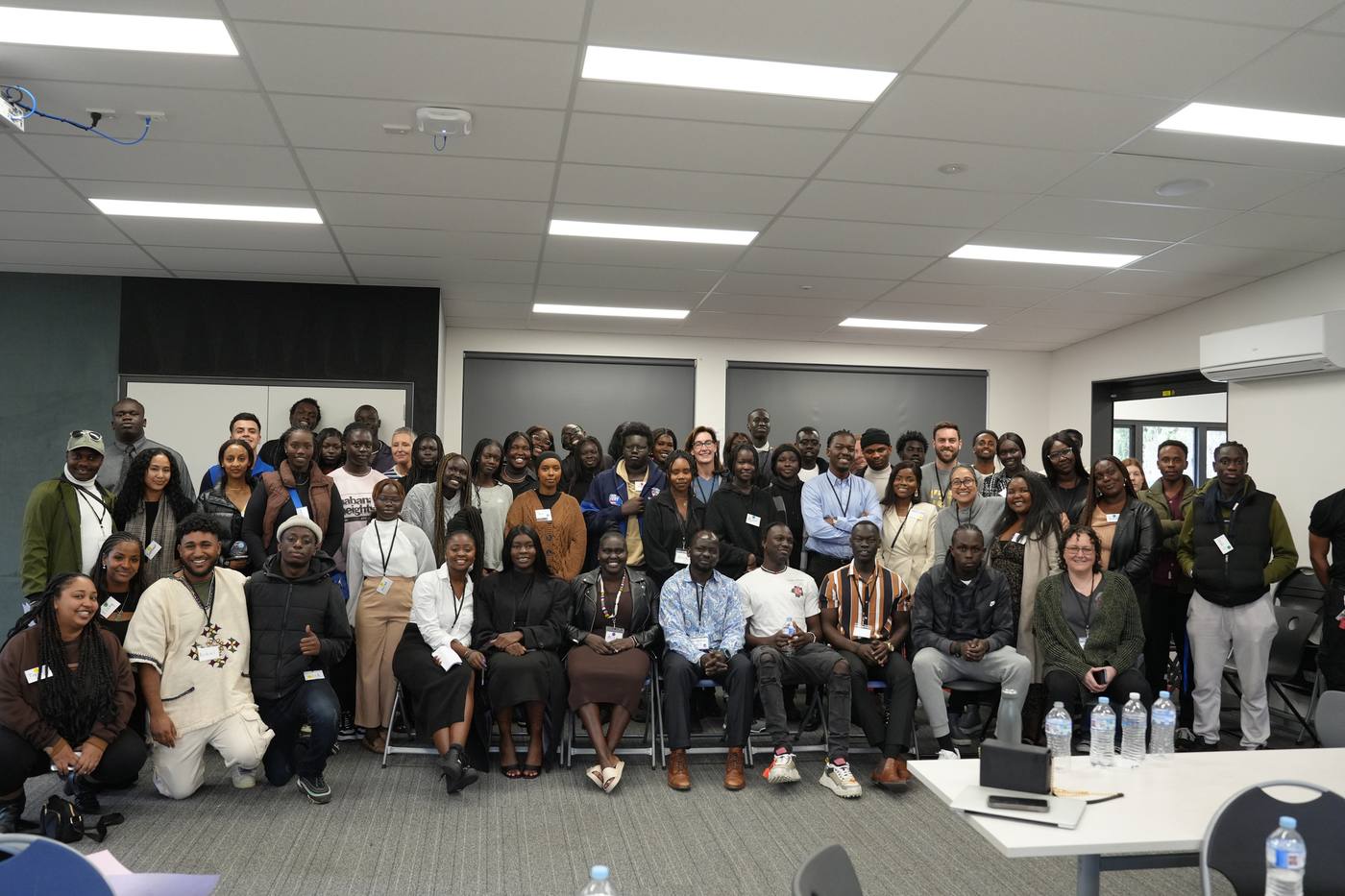
ASPYA Foundation was established in response to the tragedy of youth violence and a shared commitment to creating safer, stronger, and more connected communities for young people. Since our establishment, we have recognised that meaningful responses to youth offending require more than a single intervention. Young people need support before they enter the justice system, while they are navigating it, and as they transition back into their communities.
We view youth justice not as an isolated issue, but as the result of challenges in other areas of a young person's life, including education, family support, mental health, and community connection. We believe many instances of violence and offending can be prevented when young people have access to early, culturally responsive support before they reach a crisis point. For this reason, our work is centred on prevention, early intervention, and restoration, addressing the root causes of offending rather than its symptoms.

+
$ K
+
+
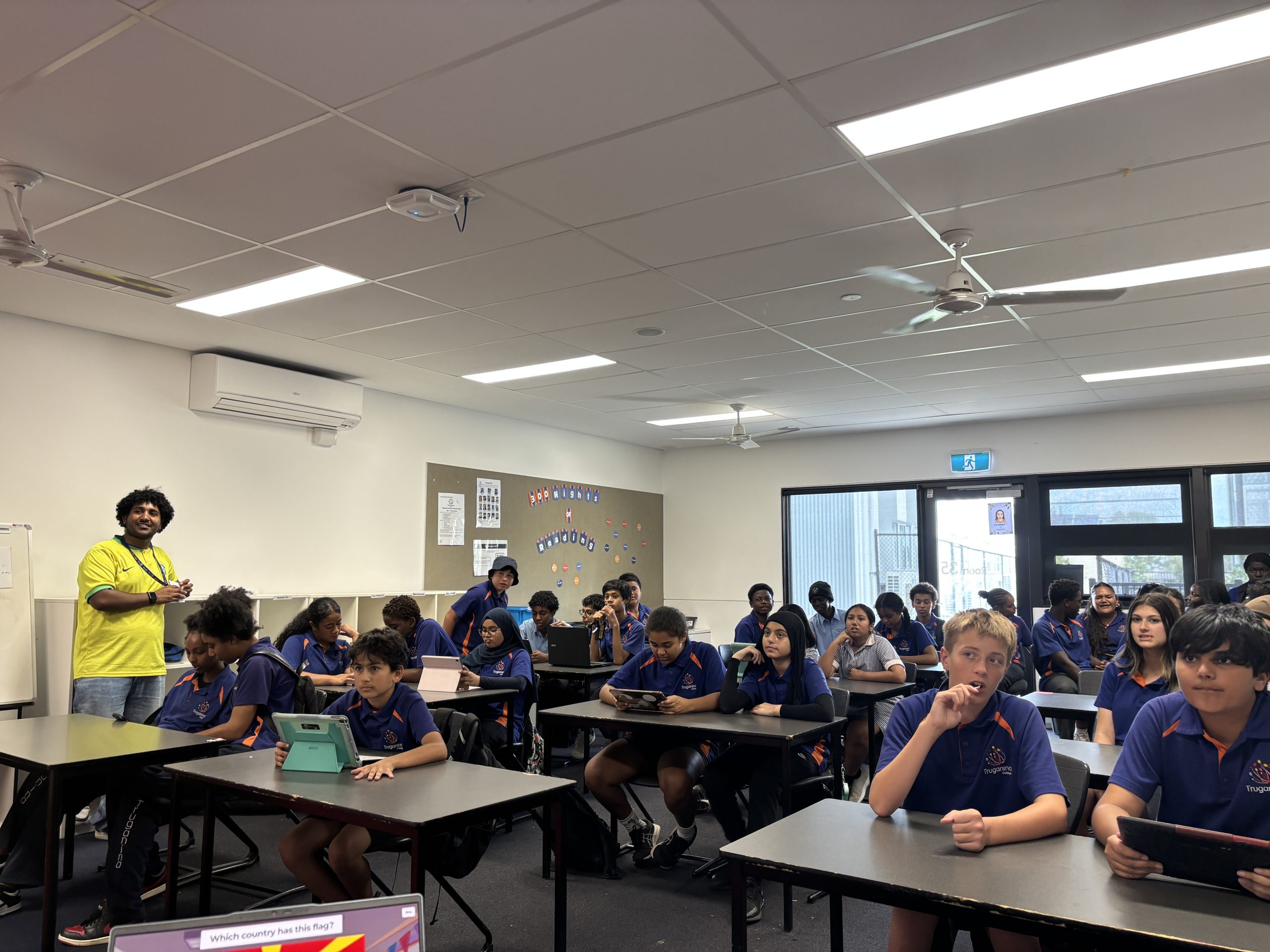
We approach education as a critical mechanism through which young people gain the ability to shape their own futures. Educational disengagement is rarely a reflection of ability or aspiration. It is shaped by structural barriers including limited support outside the classroom, culturally unsafe learning environments and a lack of role models who reflect a young person's own experience.
Our work is grounded in accessibility, cultural safety and sustained mentorship. Over five years we have delivered homework support, academic mentoring and culturally responsive engagement across schools in Melbourne's western suburbs, working alongside teachers, families and community leaders to keep students engaged and build confidence toward further study, training and employment.
+
+
+
+
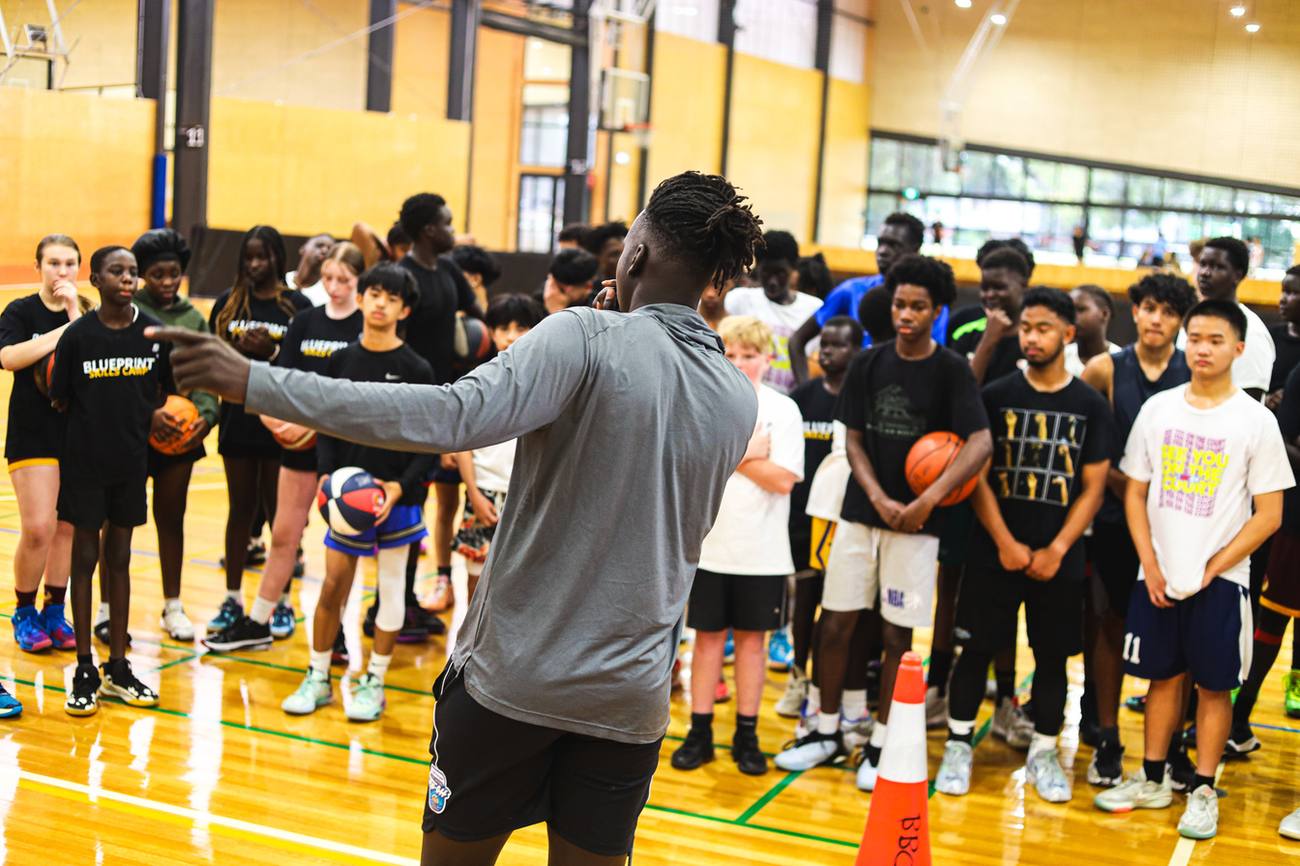
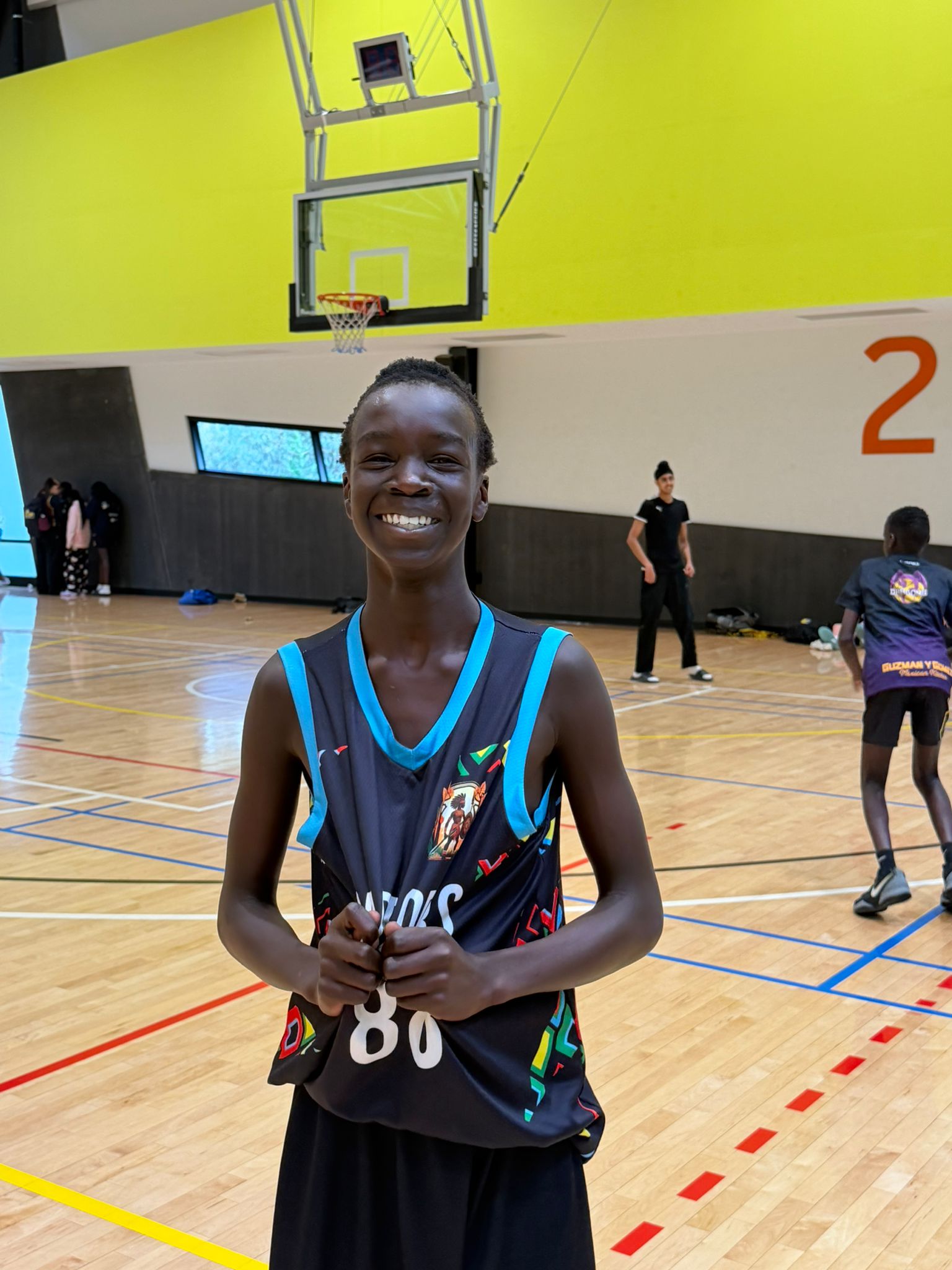
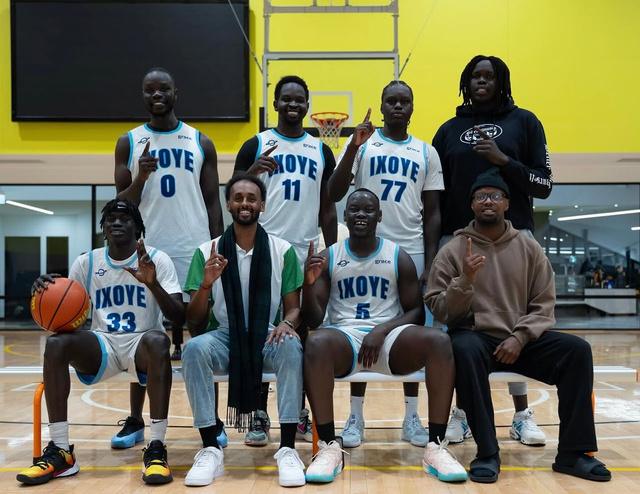
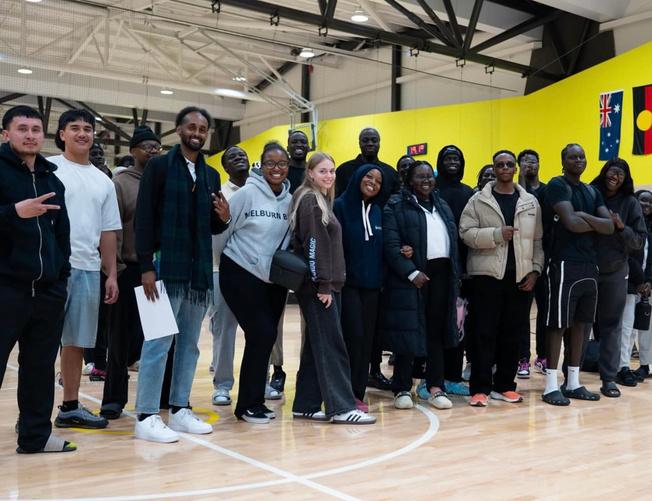
We view sport and active engagement as a deliberate, evidence-informed mechanism for youth development, wellbeing and community connection. Access to structured, culturally safe sporting environments is inequitably distributed. Financial barriers, cultural unfamiliarity with local sporting structures and a lack of representation have historically limited the participation of African-Australian young people.
Grounded in accessibility, mentorship and cultural grounding, we ensure every young person who walks through our doors can participate, regardless of financial circumstances or background. Over five years we have used sport to reach young people who may not engage with formal settings, supporting registrations, uniforms and coaching, and celebrating cultural diversity as a core strength of the community.
+
+
+
+
+